The formal designation of A-frame architecture actually started on the west coast of the United States, instead of being brought over from Europe. While triangular homes have actually been around for as long as history can remember, the first home to bear the official A-frame architecture distinction was built in in the 1930s at Lake Arrowhead, California.The house was built by architect Rudolph Schindler and is known as the Bennati House after the person Schindler built it for. The A-frame was a popular architectural design for vacation homes, especially in the mountains, until the 1960s. Even though the interest has waned since then, this type of architecture is still popular in some parts of the country.
Main Feature of the A-frameThe A-frame gets its name from the triangular roof that reaches all the way to the ground and creates the two legs of the letter “A”. The roof works great in areas that get heavy amounts of snow because it keeps the snow from piling on the roof. When snow collects on a roof over the winter the weight can cause the roof to collapse and cause damage to the interior of the house.This steep roof is perfect when you have a vacation home that you don’t visit frequently enough to be able to shovel snow off to protect the home.Additional Features of the A-frameIn addition to the triangular shape, the A-frame can also be identified by its:
Deep-set eaves
Gables in the front and rear
1-2 stories always with a ½ story on top
The front and rear facades are made up of large windows
The interior of the home has a small living small
Few if any vertical walls
There is very little siding because the roof goes all the way down to the ground and the other facades are usually windows.
A good portion of the windows in the A-frame are picture windows
How to Deal with the Dead SpaceWith the triangular shape of the house, the bases of the walls all create angles of dead space. There is not a lot of furniture that you can put in an angle like this and many owners just leave these dead spaces empty; which is why they are call dead spaces.However, using a little creativity you can find just the right use for these spaces. You can put out a plastic show tray and store your dirty shoes in the dead space. Pet beds fit nicely in these areas, as does pet feeding dishes in these A-frame dead spaces.
Drafty Windows in Louisville & Southern Indiana? Signs You Need Replacement Windows and Doors Before Winter
Drafty windows and doors or frost on the glass? earn the signs you need replacement windows and doors before winter in Louisville and Southern Indiana.
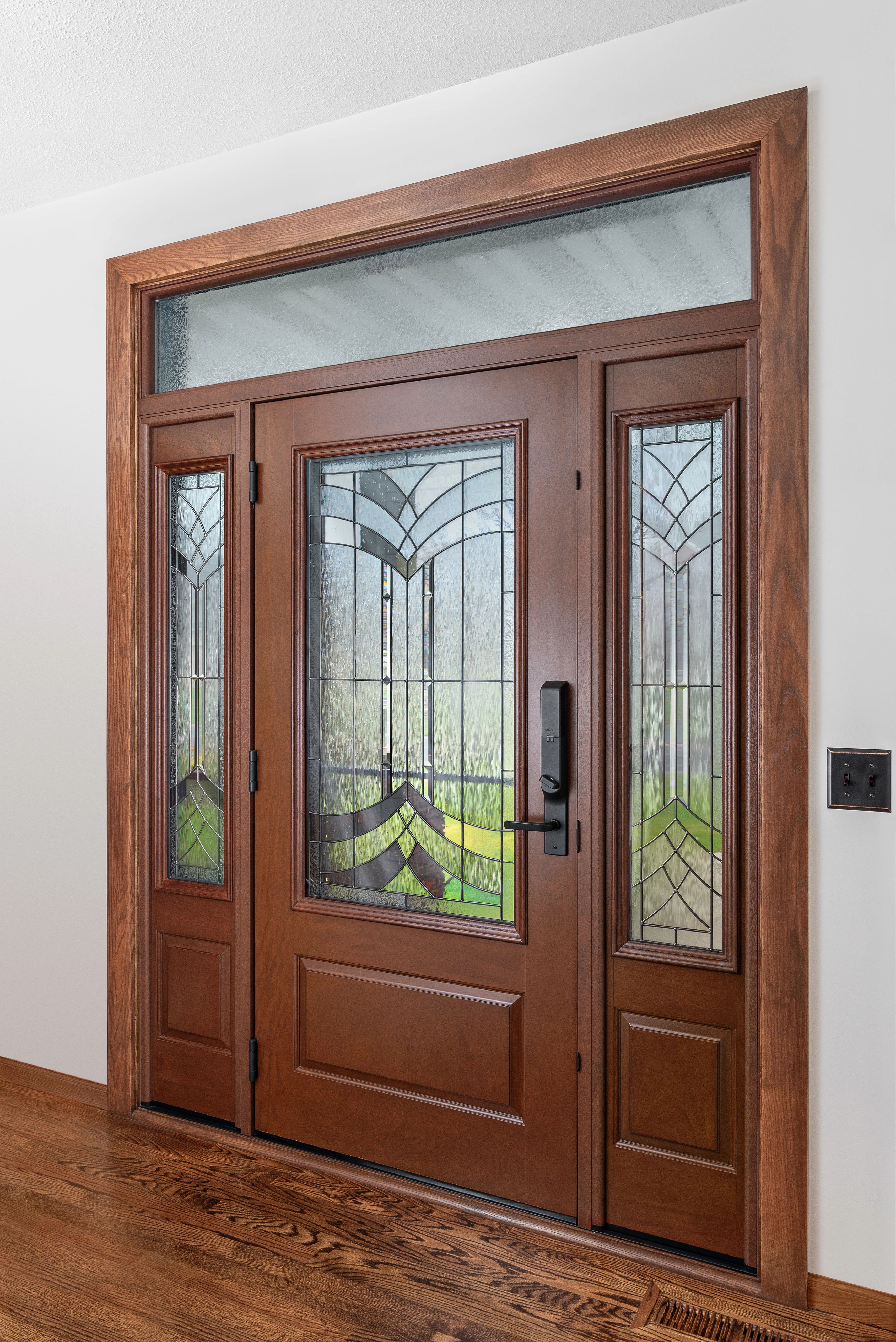
Renewal by Andersen Ensemble Entry Doors- Overview
Upgrade your home with Renewal by Andersen Ensemble entry doors in Kentucky & Southern Indiana. Fibrex frames, custom styles & energy-smart design. Get a free quote today!
**Review aggregator survey of the most 5 star reviews among leading national full service window and door replacement companies. January 2024 Reputation.com
***Renewal by Andersen is the full-service window and door replacement division of Andersen. 2022 Andersen Brand Survey of U.S. Homeowners




.png)
.png)


