Since Window Condensation in winter is the topic of many questions this time a year, we have put together this helpful series to answer some of the most common questions we hear on this subject.
What is relative humidity?
Relative humidity is the amount of water vapor the air can hold at any given temperature. When air at a certain temperature contains all the vapor it can old, it's said to have a relative humidity of 100%. When it holds only half as much water as it could, the relative humidity is 50%. Cooler air can hold less vapor than warmer air, so air at 30 degrees F and 100% relative humidity contains less water than air at 70 degrees F. The amount of water the air can hold is relative to the temperature of the air.
How do I measure indoor relative humidity?
You can use humidity-measuring instruments call hygrometers, inexpensive tools that can be purchased at most hardware stores. Many of today's new programmable thermostats also include controls for humidifiers and dehumidifiers. Remember that relative humidity levels are quoted in weather reports indicate outdoor humidity. Those reports have little bearing on the humidity level in your home.
What does excess humidity do to my home?
Excess humidity contributes to the deterioration of any home. It can pass through walls and freeze in the insulation. In spring, it can melt, damaging your ceiling and walls. Excess humidity can force its way out through siding to form blisters under exterior surfaces. Excessive relative humidity levels may also lead to higher levels of unwanted mold and mildew growth in homes.
Can relative humidity affect my health?
Most experts agree that relative humidity can affect your health. They suggest maintaining indoor humidity levels between 30-50%. According to the World Health Organization, at levels higher than 60% upper respiratory illness might offer in people suffering from asthma and allergies. Lower moisture levels (below 20%) may induces skin dryness or itching.
What is the relationship between humidity and comfort?
Whether or not you feel comfortable in a room is dependent of many factors, including the temperature of the air, the relative humidity, the movement of the air, the temperature of all the surrounding surfaces in the room, and the presence of direct solar radiation. Since indoor humidity is one critical component of comfort, you should carefully consider the indoor humidity conditions in both summer and winter.Higher humidity levels in a home might mean greater comfort in the winter. Some people find it easier to breathe humidified air. Soft tissues such as the linings of your nose and throat don't dry out as easily, and in some cases, the dry winter air might even need to be humidified to help achieve good thermal comfort in winter. Most people will be comfortable in winter if the indoor relative humidity is between 30-70% and the indoor temperature is between 65 and 70 degrees F.
Drafty Windows in Louisville & Southern Indiana? Signs You Need Replacement Windows and Doors Before Winter
Drafty windows and doors or frost on the glass? earn the signs you need replacement windows and doors before winter in Louisville and Southern Indiana.
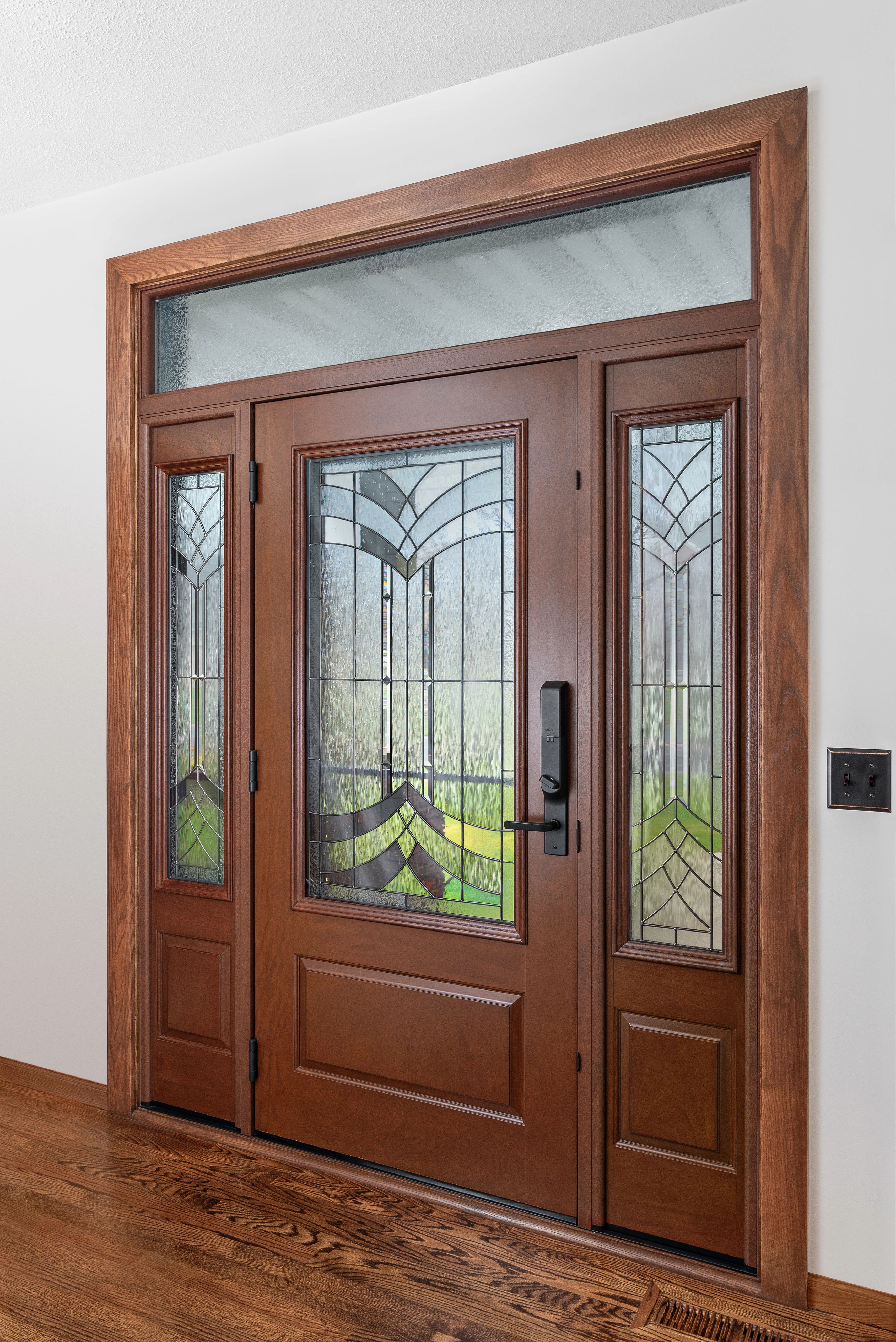
Renewal by Andersen Ensemble Entry Doors- Overview
Upgrade your home with Renewal by Andersen Ensemble entry doors in Kentucky & Southern Indiana. Fibrex frames, custom styles & energy-smart design. Get a free quote today!
**Review aggregator survey of the most 5 star reviews among leading national full service window and door replacement companies. January 2024 Reputation.com
***Renewal by Andersen is the full-service window and door replacement division of Andersen. 2022 Andersen Brand Survey of U.S. Homeowners




.png)
.png)


