Drafty Windows in Louisville & Southern Indiana? Signs You Need Replacement Windows and Doors Before Winter
If your home in Louisville or Southern Indiana feels drafty or cold in the fall and winter, your windows and doors are likely letting warm air escape. Windows and doors are the weak spot when it comes to heat loss in your home. In winter, the warm air you're paying to heat is constantly trying to escape, and cold outdoor air is trying to get in. If your windows and doors aren't built to stop that exchange, your home cools down fast and your furnance has to make up the difference.
How Do Window Glass and Frames Affect Heat Loss?
Glass is a major source of heat transfer, but frames matter too. Over the years, cheap vinyl and wood frames can warp, crack, or loosen, creating gaps that let cold air sneak in and warm air slip out. Wood can swell and shrink with moisture and temperature changes, and vinyl can become still and brittle in the cold. We use Fibrex®, a proprietary composite of wood fiber and polymer that is twice as strong as vinyl. Fibrex® resists warping and keeps a tight seal through Kentucky and Southern Indiana's freezing nights and temperature swings. It also offers superior thermal performance, so less heat escapes through the frame itself, not just the glass.
What Causes Drafts and Cold Spots in Winter?
Drafts are the most obvious sing that your windows and doors are letting you down. That chilly breeze you feel near a window, or the cold spot by your back door, is warm air leaving and the cold air taking its place. Even small gaps around worn seals or warped frames can make a room feel noticeably colder than the rest of the house.
How Do Drafty Windows and Doors Raise Your Heating Bills?
Draft windows and doors raise heating bills because your furnace has to replace the warm air that escapes. When warm air escapes through old windows and doors, your furnace or heat pump has to run longer and cycle more often just to keep your home at the temperature you set.
This leads to:
Higher heating bills
Faster wear and tear on your heating system
Uneven temperatures and cold rooms throughout your home
Replacing windows and doors with energy-efficient options can reduce this strain. The same features that help keep summer heat out also help keep winter warmth in, so an upgrade pays off in every season.
How Do Renewal by Andersen Replacement Windows and Doors Keep your Home Warmer?
Renewal by Andersen's exclusive Fibrex® material combines wood fiber and polymer to create frames that are stronger than vinyl and resist warping, cracking, and moisture damage. Fibrex® frames maintain a tight seal to keep cold air and drafts out, even though freezing temperatures. Unlike wood, Fibrex® won't swell, shrink, or rot, and unlike vinyl, it won't become brittle when temperatures drop. That durability means your windows and doors perform constantly year after year, through Kentucky and Southern Indiana's hot summers and cold winters alike.
What Are the Signs You Need Replacement Windows Before Winter?
Early fall is the perfect time to walk through your home and check your windows and doors before the coldest weather arrives. Watch for these warning signs:
Drafts: On a cool, breezy day, hold your hand near the edges of windows and doors. If you feel moving air, warm air is escaping.
Cold Spots: Rooms that always feel colder than the rest of the house often have windows or doors that aren't sealing properly.
Condensation or frost on the inside of the glass: This is a sign your windows aren't insulating well.
Fogging between panes: Moisture trapped between the glass panes usually means the seal has failed.
Warped, cracked, or rotting frames: Damaged frames create gaps that let cold air and moisture in.
Windows that are hard to open, close, or lock: This can mean the frame has shifted or warped.
Worn or missing weatherstripping: Look for cracked, flattened, or peeling seals around doors and window sashes.
Daylight around exterior doors: If you can see light around the edges of a closed door, cold air can get through too.
Why Plan Your Window and Door Replacement This Fall?
Planning in the fall lets you start the process before the coldest part of winter. The first cold snap of the season is a clear reminder that your windows and doors play a critical role in your comfort and energy bills. Waiting until the middle of winter means more drafts more furnace strain, and higher heating costs. Renewal by Andersen of Kentucky and Southern Indiana offers a free design consultation to discuss custom window and door options designed for our region's hot summers and cold winters. Our certified master installer team can guide you through the process, from selecting energy-effiicient products to professional installtion.
Planning your upgrade now means you'll be on your way to a warmer, quieter, and more energy-efficient home. Don't let another winter of drafts go by. Schedule your free design consultation today!
FAQ
Q: Why does my home feel drafty even with the heat on?
A: Old or inefficient windows and doors let warm air escape and cold air in. Worn seals and cracked or warped frames create gaps, forcing your furnace to work overtime.
Q: What makes Fibrex® frames better in cold weather?
A: Fibrex® is twice as strong as vinyl and won't warp, crack, rot, or turn brittle in the cold, keeping a tigher seal than standard wood or vinyl frames.
Q: How can I tell if my windows are drafty?
A: On a cool, breezy day, hold your hand near the edges of your windows and doors. If you feel moving air, notice cold spots, or see daylight around a closed door, warm air is escaping and cold air is getting in.
Drafty Windows in Louisville & Southern Indiana? Signs You Need Replacement Windows and Doors Before Winter
Drafty windows and doors or frost on the glass? earn the signs you need replacement windows and doors before winter in Louisville and Southern Indiana.
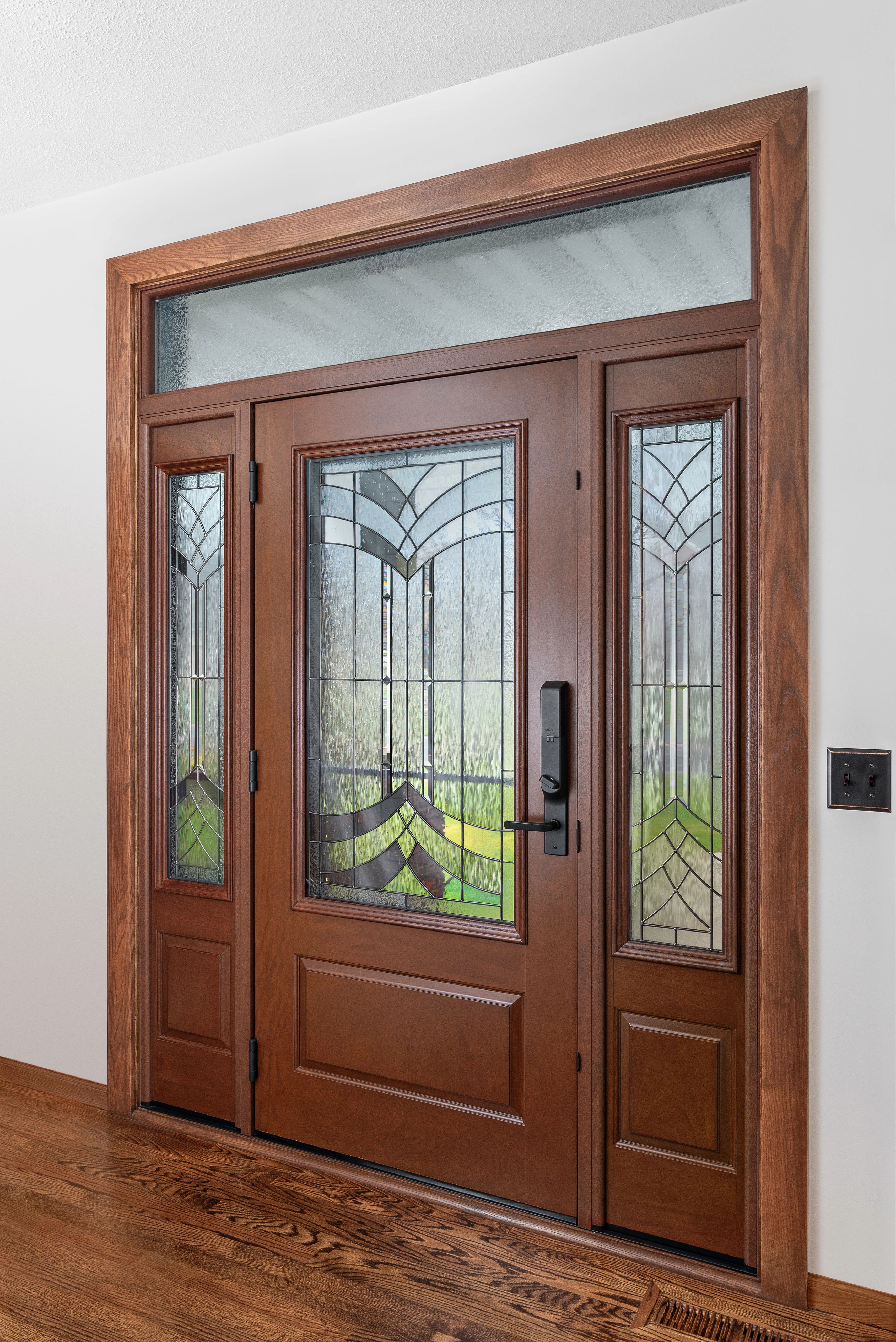
Renewal by Andersen Ensemble Entry Doors- Overview
Upgrade your home with Renewal by Andersen Ensemble entry doors in Kentucky & Southern Indiana. Fibrex frames, custom styles & energy-smart design. Get a free quote today!
**Review aggregator survey of the most 5 star reviews among leading national full service window and door replacement companies. January 2024 Reputation.com
***Renewal by Andersen is the full-service window and door replacement division of Andersen. 2022 Andersen Brand Survey of U.S. Homeowners



.png)
.png)


