Condensation on your windows is created when humid air comes in contact with the glass in your windows, when the glass is cold from the winter weather outside. This process is completely normal and just about every homeowner will see this happen on their windows at one time or another.Unfortunately, too much condensation can cause problems for your windows.Where Does the Humidity Come From?Anything that you do in your home that involves water contributes to the humidity that is present in your home. This includes:
Taking a shower or a bath
Mopping the floors
Watering indoor plants
Running the dishwasher
Boiling water on the stove
Making coffee
Running your heating/air conditioning units.
Window Issues From Excessive CondensationWhile some condensation in the home is normal, too much of it can cause the following problems for your windows:
Excess water on the inside of the window glass that can freeze if windows are not insulated
The paint on and around your windows can end up cracked, chipped, or peeling
The window seals can fail and start allowing in drafts
Gaps in between glass and window frames can occur, which also leads to drafts
Damage to the glass of your windows in the form of cracks or chips
Limiting Window condensationAlthough you can never fully remove the condensation in your home, here are some things you can do to reduce it:
Have the proper outside ventilation sources open and unobstructed
Open windows and doors at least every other day, if not daily, let the moist air out and drier air in.
Allow moist air to escape through the chimney by making sure the fireplace vents are open.
Keep indoor plants watered, but do not over saturate, as it can build up moisture in the home.
Tracking the Humidity in Your HomeWith a humidistat you can track how humid it is in your home, in order to prevent the above damage from happening to your windows. Below you will find the recommended relative humidity you should aim for inside your home:OUTSIDE AIR TEMP----------RECOMMENDED RELATIVE HUMIDITY+40 F-------------------------45%+30 F-------------------------40%+20 F-------------------------35%+10 F-------------------------30%0 F---------------------------25%-10 F-------------------------20%-20 F-------------------------15%(Source: http://www.hvac-for-beginners.com/indoor-air-quality.html)You can also tell that your humidity levels are too high in your home, just by the presence of condensation on the windows. As soon as you notice the condensation, open a window or door to restore balance to the humidity levels as quick as possible.
Drafty Windows in Louisville & Southern Indiana? Signs You Need Replacement Windows and Doors Before Winter
Drafty windows and doors or frost on the glass? earn the signs you need replacement windows and doors before winter in Louisville and Southern Indiana.
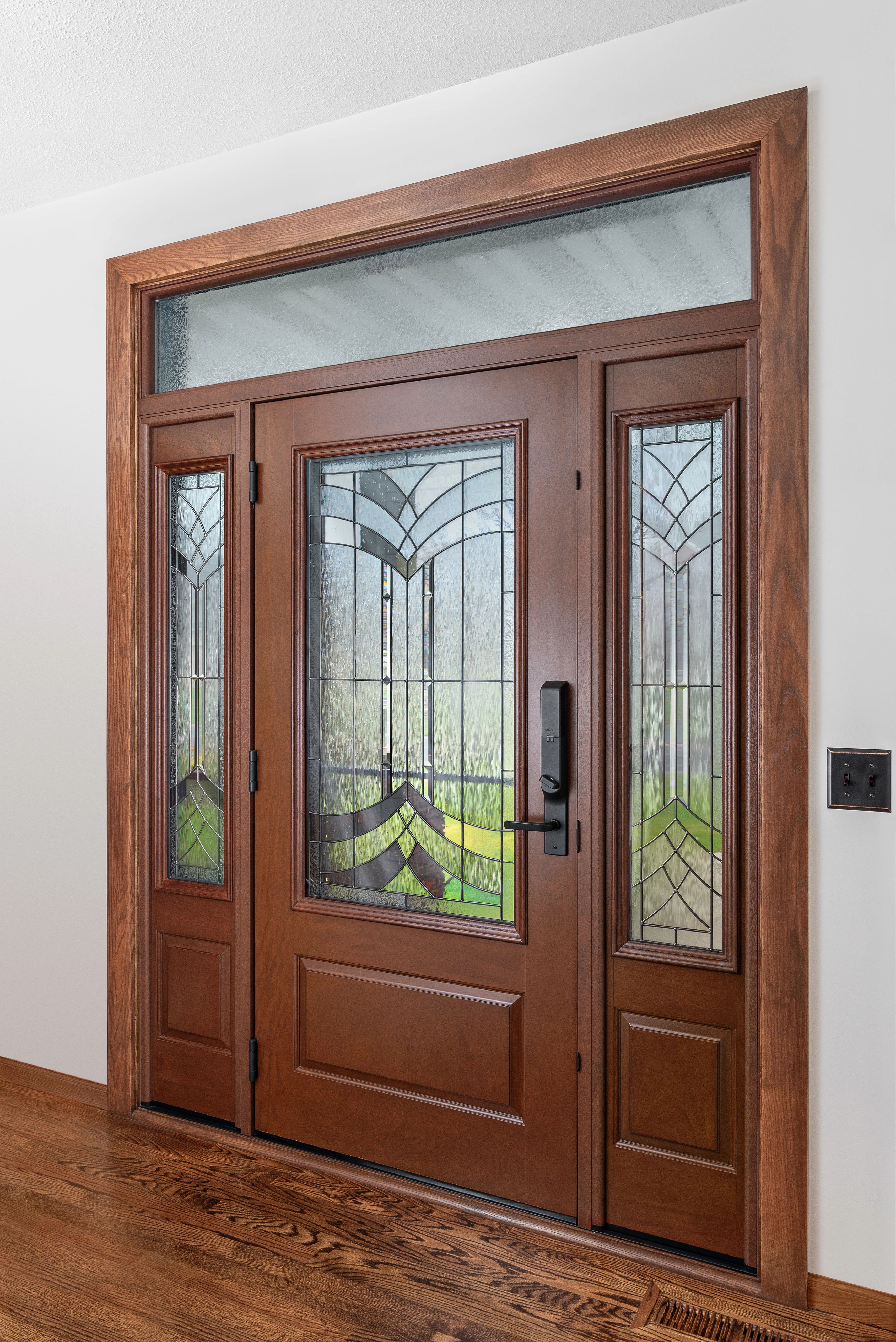
Renewal by Andersen Ensemble Entry Doors- Overview
Upgrade your home with Renewal by Andersen Ensemble entry doors in Kentucky & Southern Indiana. Fibrex frames, custom styles & energy-smart design. Get a free quote today!
**Review aggregator survey of the most 5 star reviews among leading national full service window and door replacement companies. January 2024 Reputation.com
***Renewal by Andersen is the full-service window and door replacement division of Andersen. 2022 Andersen Brand Survey of U.S. Homeowners




.png)
.png)


