The climate across the United States is not the same. There are areas that see well below zero in the winter months and others that don’t. In the summer, some areas never see a temperature above 75 degrees and others soar up to 120 degree and beyond. This means that all of our heating and cooling needs are different from one area to another and that our windows have to work differently depending on the climate.
How well these windows work and their energy efficiency is tested and then assigned a rating in two categories of factors. Because the factors are based on “U-Factor” and “SHGC”, let’s explain what those words mean.
U-Factor Rating
U-Factor ratings are given to windows by the National Fenestration Rating Council. It is a rating based on how much heat is allowed to get through the window. Their ratings range from 0.2 to 1.2, with the higher ratings meaning that they allow more heat to get through.A window with a low U-Factor will keep more heat in your house in the winter, giving you a lower heating bill to have to pay.
SHGC Rating
The SHGC (Solar Heat Gain Coefficient) measures the opposite of the U-Factor rating. Instead of measuring how much heat the window allows to get through from the inside of the house, the SHGC measures how much heat the window allows into the house from the sun. This rating is also measured by the National Fenestration Rating Council.For those that live in the northern, cooler climates a higher SHGC rating number is what is desirable as the higher number means that more heat comes into the home from the outside. Those that live in the southern, warmer climates want to look for a lower SHGC rating to keep the heat out of the house. Keeping the heat out of the house will lower your cooling bill in the hot, summer months.
The Climate Zone Map helps you to determine what climate zone you live, so that you can choose the correct energy efficient windows for your area. Choosing the wrong windows may not give you the ultimate energy efficiency that you are looking for. It may allow more heat to escape from the house or into the house depending on where you live.The U-factor and SHGC numbers are located on the window so that you can determine if it is the right window for your area. The company installing your windows can also discuss the U-Factor and SHGC numbers on the windows that you have chosen.Learn more about energy efficient options from an Andersen consultant by scheduling an in-home consultation today.
Drafty Windows in Louisville & Southern Indiana? Signs You Need Replacement Windows and Doors Before Winter
Drafty windows and doors or frost on the glass? earn the signs you need replacement windows and doors before winter in Louisville and Southern Indiana.
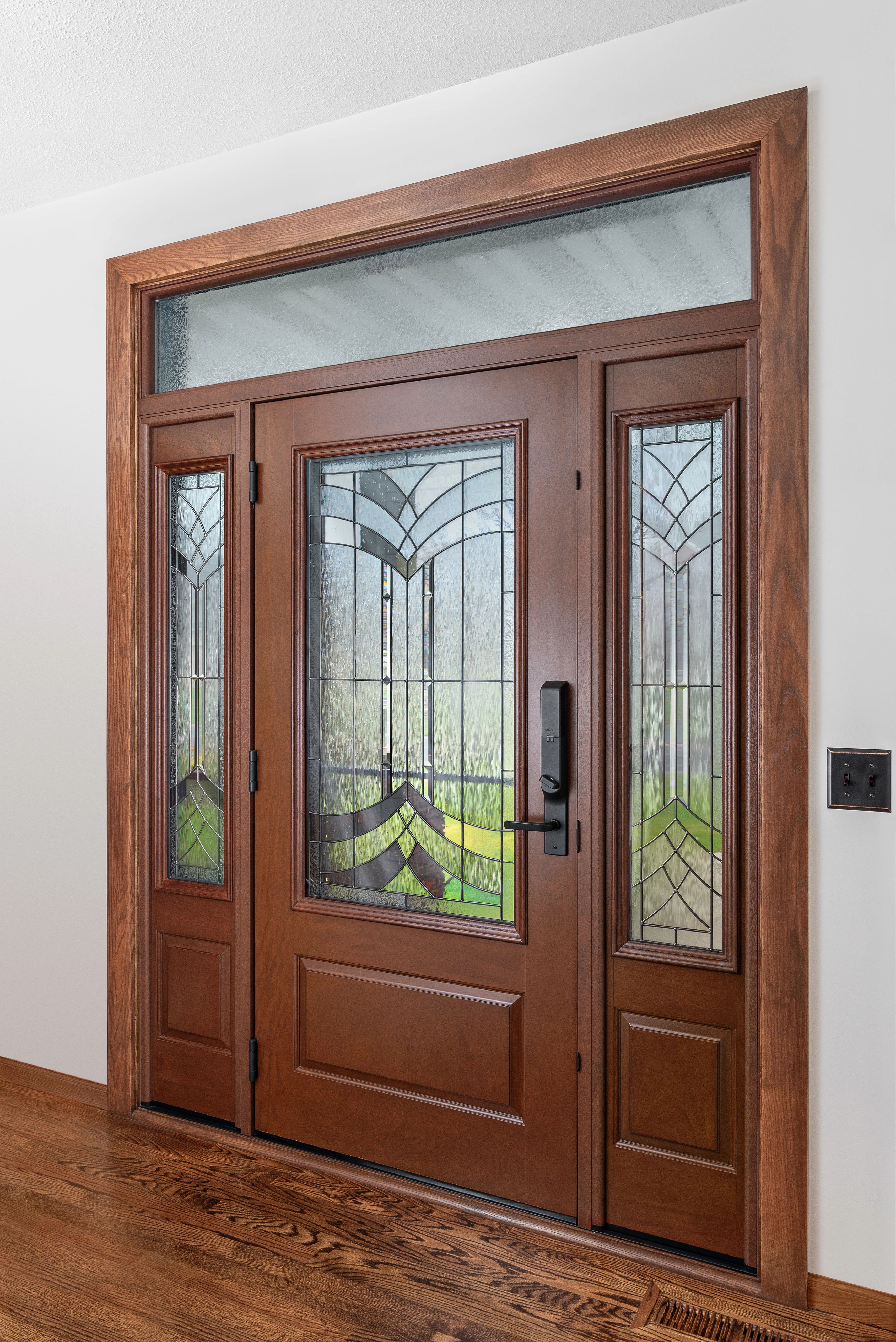
Renewal by Andersen Ensemble Entry Doors- Overview
Upgrade your home with Renewal by Andersen Ensemble entry doors in Kentucky & Southern Indiana. Fibrex frames, custom styles & energy-smart design. Get a free quote today!
**Review aggregator survey of the most 5 star reviews among leading national full service window and door replacement companies. January 2024 Reputation.com
***Renewal by Andersen is the full-service window and door replacement division of Andersen. 2022 Andersen Brand Survey of U.S. Homeowners




.png)
.png)


