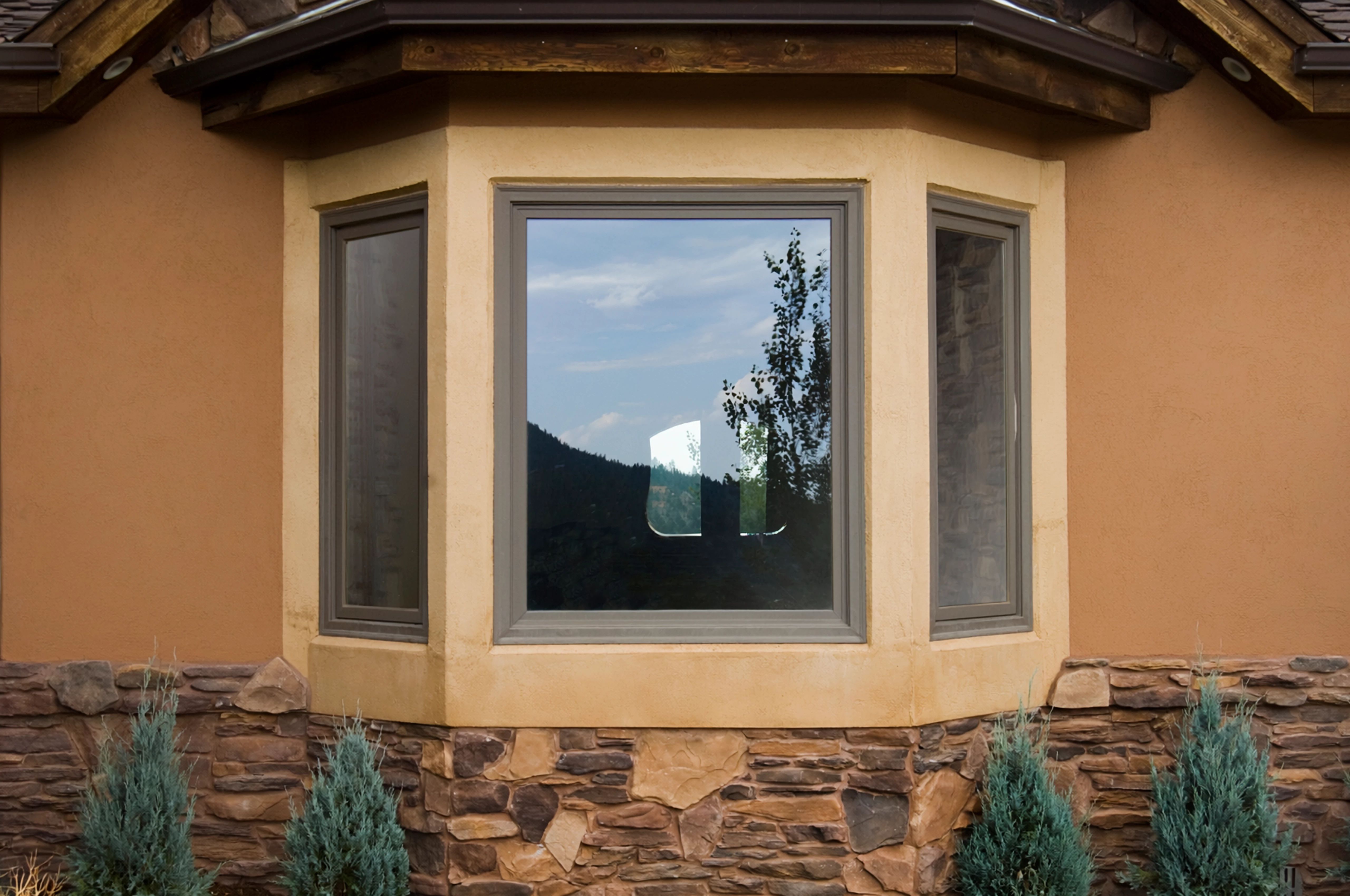
Step One: Spray Down Exterior WindowsThrough winter and spring your exterior windows can become covered in dirt and everything else that was blown against them during storms. Since very few of us venture outdoors during the colder months to clean our exterior windows, all of the dirt and grime just layers up.By the time the warmer weather finally arrives, the filth that is covering your windows is so thick that if you try to wash it with a rag and window cleaner it will just make the window look worse. The dirt will smear around and you will have to repeat washing over and over again.To save yourself the time and trouble, spray your exterior windows down with water first. It is recommended that you use the most water pressure possible that won’t break your windows, but will get as many layers of dirt off as possible.It is not recommended to use any high pressure water on windows that are old or are already damaged.Step Two: Let the Exterior Windows DryDon’t attack the window right away after you have sprayed it down. Let the window dry for a little bit or the glass cleaner won’t work as well as it should and it will take more effort to clean your windows.If you have hard water, squeegee your windows dry to avoid water spots from forming.Step Three: Exterior Windows Sparkly CleanAfter letting the windows dry, spray them down with either commercial cleaner or homemade cleaner. You can make a good homemade cleaner for very, dirty exterior windows by mixing 1 tbsp. of ammonia, 3 tbsp. of rubbing alcohol (or vinegar) with one quart of warm water.Wipe the cleaner off starting from the top of the window, by moving a lint-free rag from side to side until it reaches the bottom of the window. Then go back and wipe off any missed cleaner or dirt. Wiping down the window this way prevents the cleaner from dripping into areas that you have already cleaned.Step Four: Drying the Newly Cleaned Exterior WindowsTo finish the task, use a squeegee from the top of the window to the bottom to get any excess cleaner. After each stroke dry the squeegee blade with a cloth and continue until the window has been completed.Lastly, you can use an old towel or bed sheets to finish drying. Only use towels and bed sheets that you have never used fabric softener on or the material will not absorb the remaining water from the exterior windows like it needs to.
Drafty Windows in Louisville & Southern Indiana? Signs You Need Replacement Windows and Doors Before Winter
Drafty windows and doors or frost on the glass? earn the signs you need replacement windows and doors before winter in Louisville and Southern Indiana.
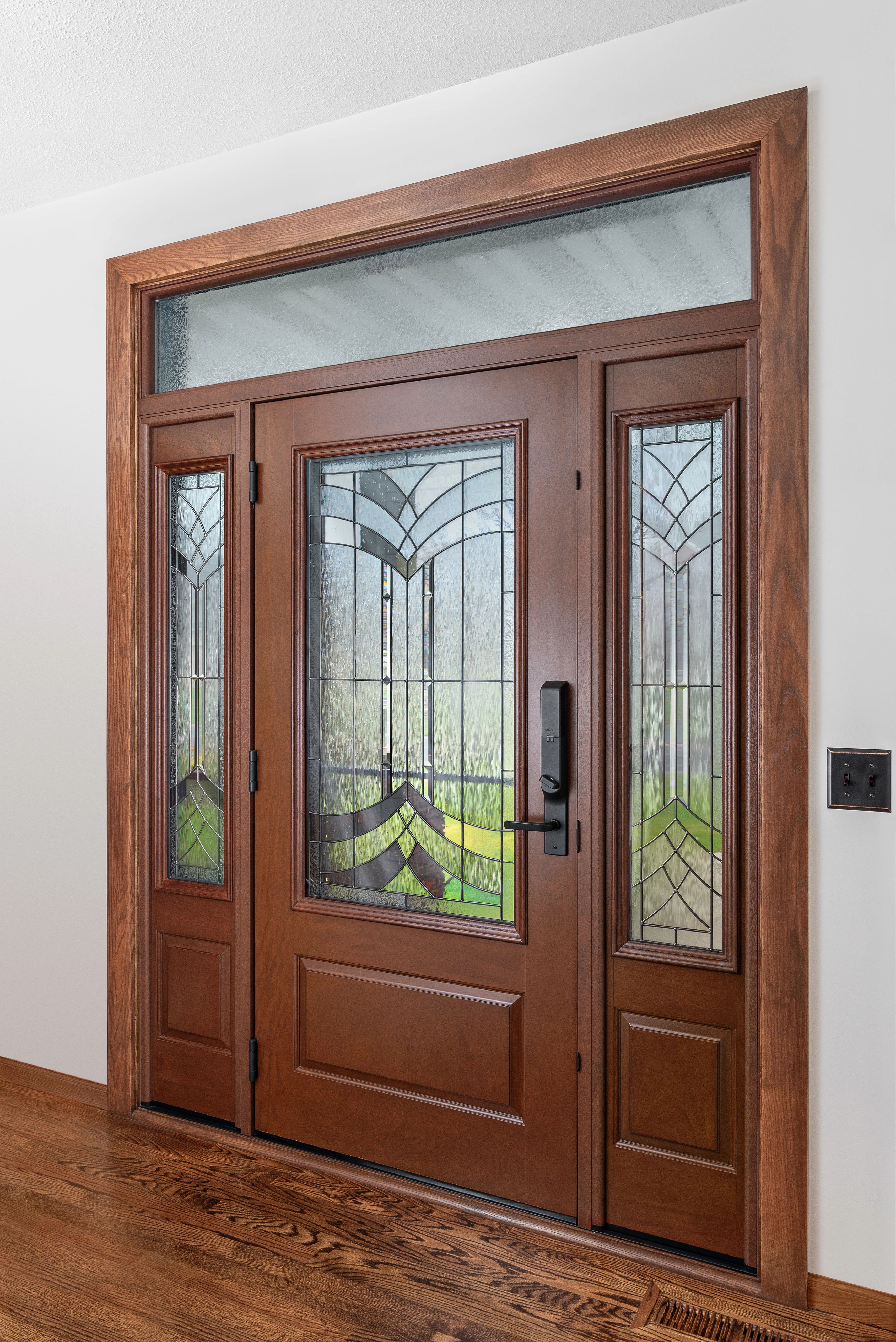
Renewal by Andersen Ensemble Entry Doors- Overview
Upgrade your home with Renewal by Andersen Ensemble entry doors in Kentucky & Southern Indiana. Fibrex frames, custom styles & energy-smart design. Get a free quote today!
**Review aggregator survey of the most 5 star reviews among leading national full service window and door replacement companies. January 2024 Reputation.com
***Renewal by Andersen is the full-service window and door replacement division of Andersen. 2022 Andersen Brand Survey of U.S. Homeowners





.png)
.png)


