The vinyl window problem is caused by the very same material that makes these types of windows so great. Vinyl windows can be shaped easier than other materials. They can be recycled and made into new windows. They are also more energy efficient than other materials that windows are made from.However, the vinyl, also known as PVC (polyvinyl chloride), which makes all these advantages possible, also comes with a price.Vinyl Window Problem 1: They are Weak Vinyl is easily moldable into any shape it needs to be for window manufacturers; which is also one of its biggest weaknesses. When vinyl becomes heated by the sun (around 165°) it starts to soften. When vinyl gets soft, the shape changes and it warps. This leaves the vinyl looking uneven and makes the home look like it is not taken care of.Vinyl is also not as strong as other materials used to make windows, due to its flexibility. Because it is weaker, it is not able to hold larger window panes like wood or metal can.Vinyl Window Problem 2: They Have No Easy Fix Once the vinyl is drilled into, warped, sagged, or faded, it cannot be fixed. Instead, it has to be replaced for the window problem to get resolved. Then when it has the same problem again, the window has to be replaced once again. This ends up being a constant cycle of replacement until the windows are finally replaced with better material.With other materials used to make windows, such as wood, you have the option to be able to repair the damage done to them. By being able to repair the damage, they last longer and don’t have to be replaced as frequently.Vinyl Window Problem 3: Environmental Hazards First, vinyl is a plastic. Plastic is made from oil, which is a resource that is not renewable. Windows made from wood, on the other hand, come from a source that can be regrown and replaced. With oil, once it’s gone, it’s gone.Second, yes, vinyl can be recycled to make other products. Being recyclable is a huge benefit of these types of windows, especially since the materials that make up vinyl are non-renewable. The only problem is that when PVC is heated up and burned, it releases a toxic dioxin into the air as a pollutant.To avoid the vinyl window problem in your home, choose windows that are made from other materials, like wood or Fibrex.Source: ehow.com and nachi.org
Drafty Windows in Louisville & Southern Indiana? Signs You Need Replacement Windows and Doors Before Winter
Drafty windows and doors or frost on the glass? earn the signs you need replacement windows and doors before winter in Louisville and Southern Indiana.
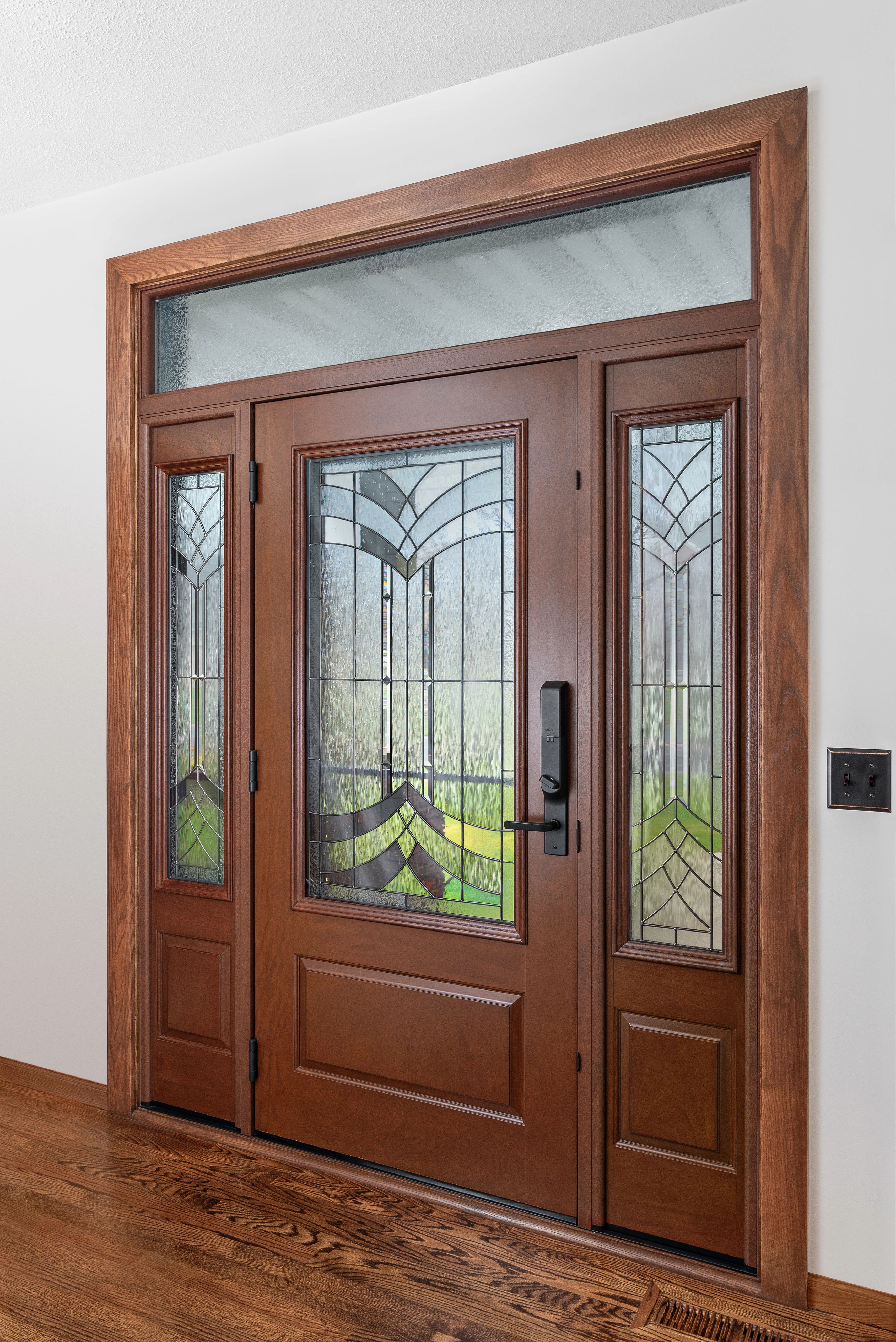
Renewal by Andersen Ensemble Entry Doors- Overview
Upgrade your home with Renewal by Andersen Ensemble entry doors in Kentucky & Southern Indiana. Fibrex frames, custom styles & energy-smart design. Get a free quote today!
**Review aggregator survey of the most 5 star reviews among leading national full service window and door replacement companies. January 2024 Reputation.com
***Renewal by Andersen is the full-service window and door replacement division of Andersen. 2022 Andersen Brand Survey of U.S. Homeowners




.png)
.png)


