Renewal by Andersen Replacement Windows: Argon Glass
Learn about Renewal by Andersen replacement windows and argon glass for energy savings, comfort, and long-term value in your home.

Choosing the right windows for your home in Kentucky or Southern Indiana is key to saving energy and lowering utility bills. This guide explains the best window materials and styles for energy efficiency in these regions. We will cover how different window types perform, compare materials like vinyl, wood, and Renewal by Andersen’s exclusive Fibrex® composite, and explain important ratings like NFRC window ratings. By the end, you will have a clear understanding of which windows can help you maximize energy savings in Kentucky and Southern Indiana’s climate.
Kentucky and Southern Indiana experience a mix of hot summers and cold winters. This means your windows need to keep heat out in the summer and keep warmth inside during winter. Windows can be a major source of heat loss or gain, accounting for up to 25-30% of energy use in a typical home according to the U.S. Department of Energy.
Investing in energy efficient windows can reduce your heating and cooling costs significantly. It also improves your comfort by reducing drafts and temperature swings near windows. Because of the varied climate, the best windows for Kentucky and Southern Indiana combine strong insulation with durable materials that resist weathering.
When comparing window materials for energy savings, three common options are vinyl, wood, and Fibrex® composite. Let’s look at how each performs.
Vinyl windows are popular because they are low cost and easy to maintain. They offer decent insulation due to the vinyl’s natural properties and multi-chambered frames that trap air. However, vinyl can expand and contract with temperature changes, which may affect long-term performance and air tightness.
In energy efficiency comparison vinyl windows tend to score lower than some composites or wood frames because vinyl’s insulating properties are not as strong. Also, vinyl frames usually cannot be painted or stained, limiting your aesthetic choices.
Wood has excellent natural insulating properties. Wood windows can provide good energy efficiency if properly sealed and maintained. They offer a classic look and can be painted or stained to match your home.
However, wood frames require regular maintenance to prevent rot, warping, or insect damage, especially in climates with humidity and temperature swings like Kentucky and Southern Indiana. Without proper care, wood windows can lose their sealing ability and reduce energy savings.
Renewal by Andersen uses Fibrex®, a composite material made from reclaimed wood fiber. Fibrex® combines the strength and beauty of wood with no maintenance. It has the strength of vinyl and excellent insulating properties.
Because Fibrex® frames resist moisture, fading, and warping, they maintain a tight seal that improves energy efficiency over many years. Fibrex® windows offer superior durability and thermal performance well-suited to Kentucky and Southern Indiana’s climate.
In energy efficiency comparison, Fibrex® frames outperform vinyl and wood in maintaining stable indoor temperatures and reducing energy loss. This material also supports thinner frame profiles, allowing more glass area for natural light without sacrificing insulation.
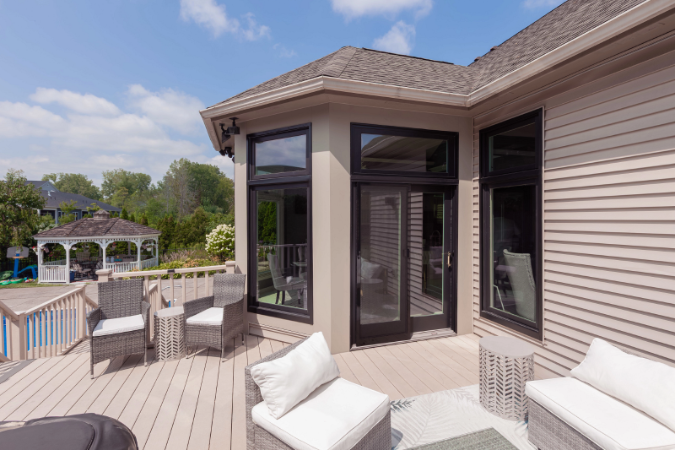
Window style affects how well a window insulates and ventilates. Some styles are more energy efficient than others in Kentucky and Southern Indiana’s climate zone.
Casement windows are hinged on the side and open outward like a door. When closed, the sash presses tightly against the frame, creating a strong seal. This design minimizes air leaks, making casement windows the best energy efficient windows style for energy savings. Casement windows also allow for good ventilation control and can be angled to catch breezes.
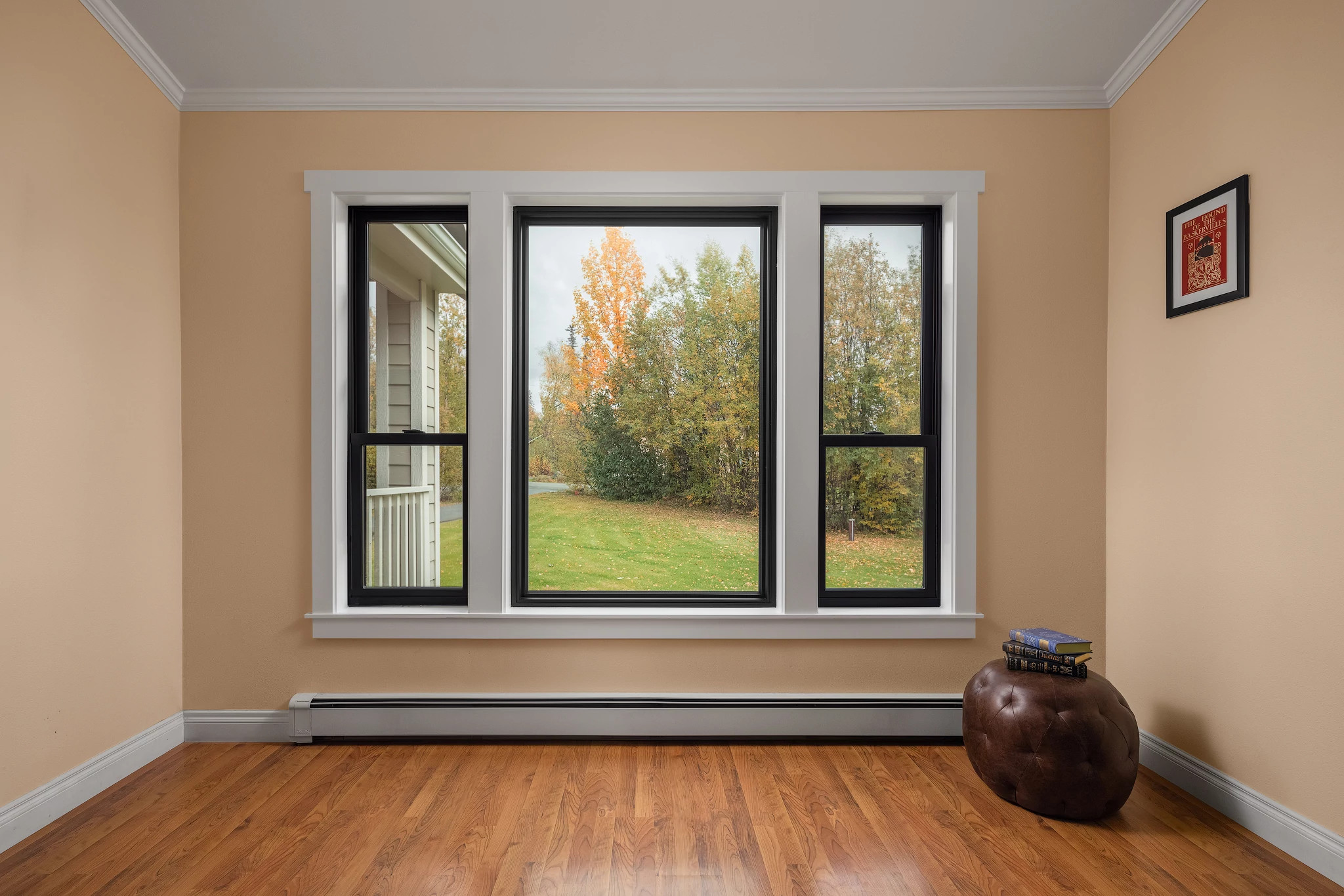
Double hung windows have two sashes that slide up and down. They are popular for their traditional appearance and ease of cleaning.
However, double hung windows tend to be less energy efficient than casement windows. The sliding sashes create more points for air infiltration. Proper weatherstripping and quality materials can improve their performance, but they generally do not seal tightly.
Sliding windows open by sliding one sash horizontally. Like double hung windows, they have more potential for air leaks compared to casement windows.
They offer good ventilation and wide views but usually have slightly lower energy efficiency ratings. Choosing high-quality frames and seals helps reduce energy loss.
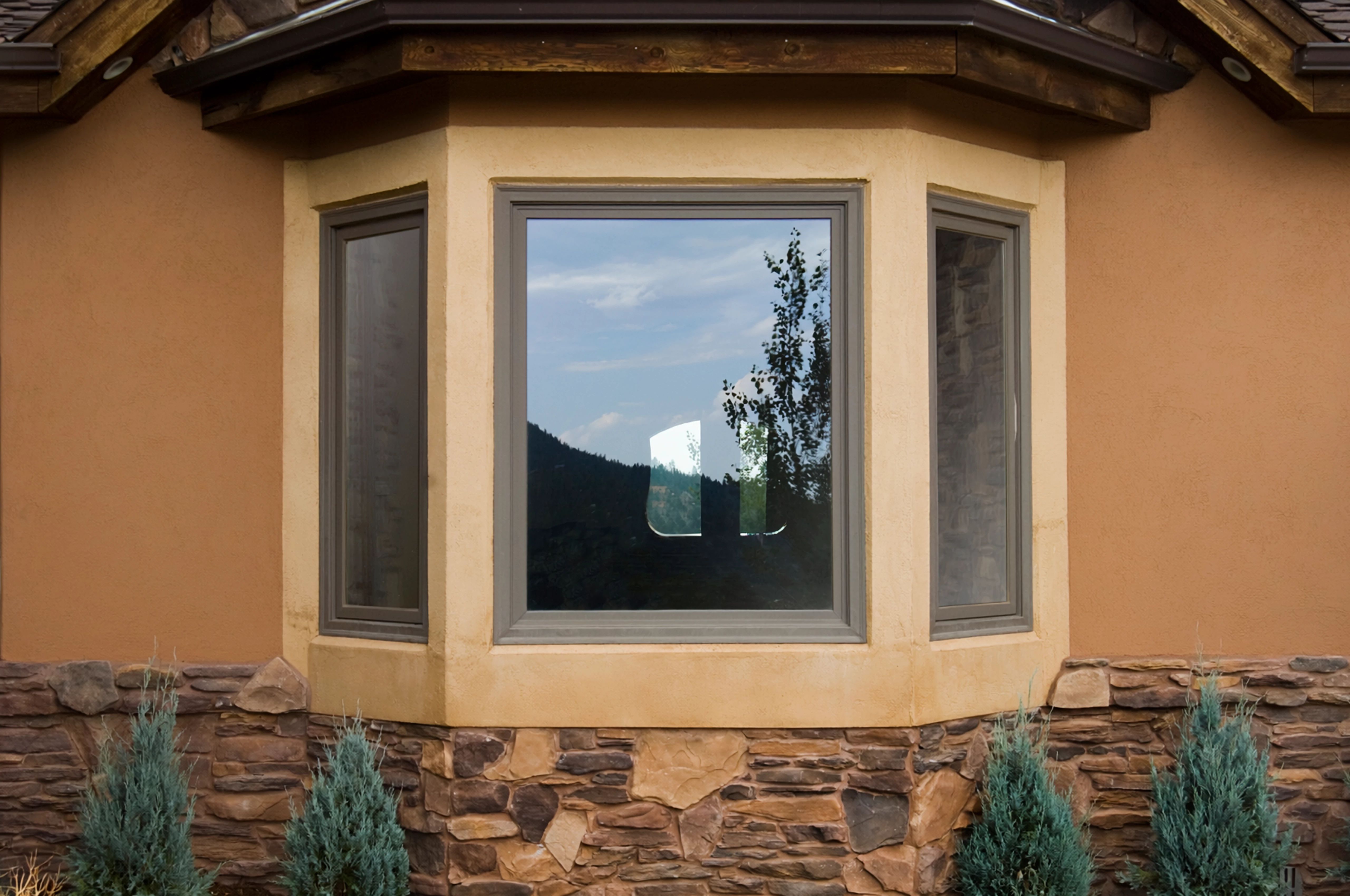
Picture windows are fixed and do not open. Because they have no moving parts, they provide the best seal and insulation of all styles.
Picture windows are ideal when ventilation is not needed, but maximum energy savings and natural light are desired. They often have the lowest U-factors and highest NFRC ratings.
Replacing old, inefficient windows can be costly upfront, but energy savings and increased comfort often justify the investment. According to the U.S. Department of Energy, homeowners can save 7-15% on heating and cooling bills by upgrading to ENERGY STAR® qualified windows.
In Kentucky and Southern Indiana, the right windows reduce the workload on HVAC systems during hot summers and cold winters. This lowers energy use, helping recoup replacement costs over time.
Fibrex® replacement windows from Renewal by Andersen may have a higher initial cost than vinyl or wood, but the superior durability and energy performance deliver better long-term savings and fewer maintenance expenses.
To summarize, the best window types for energy efficiency in Kentucky and Southern Indiana combine:
• Fibrex® composite frames for durability and insulation
• Casement or picture window styles for superior air sealing
• Low U-factor and balanced SHGC ratings certified by NFRC
Fibrex® replacement windows meet all the criteria. Our replacement windows are designed specifically for energy savings in local climate zones, balancing heating retention in winter with solar heat control in summer.
When selecting windows, homeowners should:
• Choose a frame material that balances insulation, maintenance, and aesthetics
• Pick window styles that provide the best seal and ventilation for their needs
• Consider installation quality, which impacts overall efficiency
• Evaluate long-term cost effectiveness, including energy savings and maintenance
Renewal by Andersen offers expert guidance and custom solutions to help homeowners make informed choices tailored to Kentucky and Southern Indiana.
Energy efficient windows are a smart investment for homes in Kentucky and Southern Indiana. They help reduce heating and cooling costs, improve comfort, and increase home value.
• Fibrex® composite replacement windows from Renewal by Andersen offer superior energy savings and durability compared to vinyl or wood.
• Casement and picture window styles provide the best air sealing and insulation.
• Replacing old windows with high-efficiency models is cost effective over time in this climate zone.
Choosing the right materials and styles can make a big difference in your home’s energy use and comfort. For detailed options and expert advice, our website is a valuable resource.
What is the difference between Fibrex® and vinyl window frames?
Fibrex® is a composite made from reclaimed wood fiber and PVC, offering twice the strength and better insulation than vinyl. It resists warping and moisture better, maintaining a tight seal longer than vinyl.
Are casement windows always more energy efficient than double hung?
Generally, yes. Casement windows seal tightly when closed because the sash presses against the frame. Double hung windows have sliding sashes that can allow more air leakage.
Is it worth replacing windows solely for energy savings?
Yes. While upfront costs can be high, energy efficient windows reduce heating and cooling bills over time. They also improve home comfort and can increase property value.
Can I improve the energy efficiency of my existing wood windows?
Regular maintenance, weatherstripping, and adding storm windows can help. However, wood windows may still lose efficiency over time due to wear and need eventual replacement.
What styles allow for the most natural light while saving energy?
Picture windows allow the most light and have excellent insulation but do not open for ventilation. Combining picture windows with casement or sliding windows balances light and airflow.


*2022 Andersen brand survey of US homeowners.
**Review aggregator survey of the most 5 star reviews among leading national full service window and door replacement companies. January 2024 Reputation.com
***Renewal by Andersen is the full-service window and door replacement division of Andersen. 2022 Andersen Brand Survey of U.S. Homeowners
++2024 Andersen brand survey of U.S. realtors

.png)
.png)


