What Window Condensation Means and When You Should Worry
Window condensation is a common issue that many homeowners notice, especially during colder months. It can be a sign of normal moisture in your home, or it might point to bigger problems like poor insulation or window damage. This article will explain what window condensation really means, when it’s a call for concern, and how to address it. We will also explore how Renewal by Andersen replacement windows offer a reliable solution to reduce condensation and to improve your home’s comfort and energy efficiency.
What is Window Condensation and Why Does it Happen?
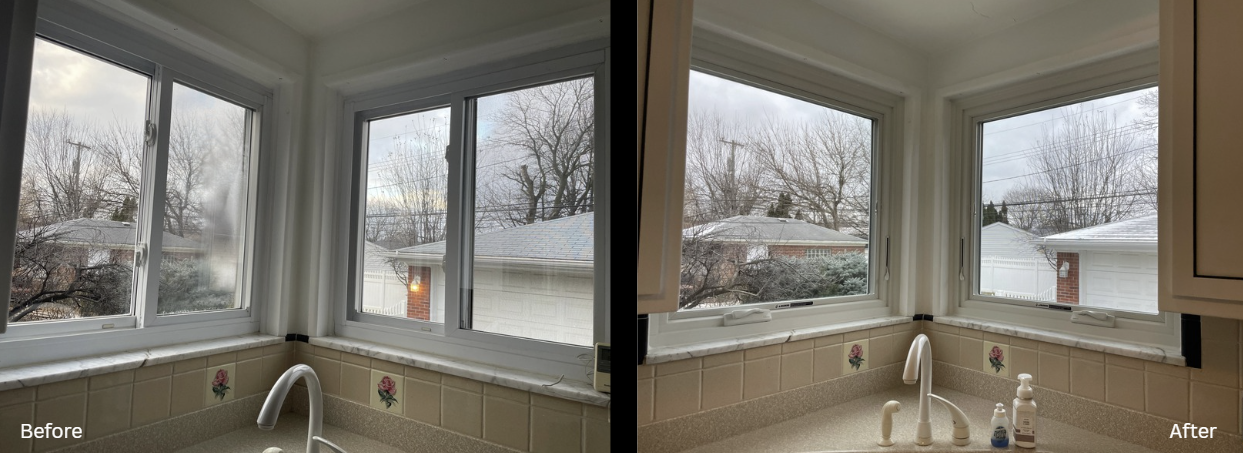
Window condensation occurs when moisture in the air turns into water droplets on the inside or outside of your windows. This happens because the warm air inside your home holds more moisture. When this warm, moist air touches a cold window surface, it cools down and releases the moisture as water droplets.
Condensation is most common in Winter because indoor heating warms the air inside while the window stays cold. It can appear as fog, droplets, or even water running down the glass.
Condensation can form in three main places:
On the inside surface of the window glass
Between the panes of double and triple-paned windows
On the outside surface of the window glass
When is Window Condensation Normal and When Should I be Worried?
Condensation on the inside of your windows is often normal in cold weather, especially in rooms with high humidity like kitchens and bathrooms. It usually clears up when the temperature inside warms up or when you improve ventilation.
Normal condensation signs:
Light fogging or droplets on the window early in the morning
Condensation disappears as the day warms up
No visible damage to the window frame or surrounding walls
However, condensation can become a problem if it:
Persists all day or worsens over time
Appears between the panes of glass inside double pane or triple pane windows
Causes water damage like mold, wood rot, or peeling paint around the window
Leads to excessive moisture buildup that affects indoor air quality
Condensation between window panes usually means the window seal has failed. This lets moisture in and reduces the window’s energy efficiency. It is a clear sign that the window needs repair or replacement.
How Can I Reduce or Prevent Window Condensation in My Home?
Reducing window condensation mainly involves controlling humidity and improving your windows’ insulation. Here are some practical steps:
Use Ventilation: Use exhaust fans in kitchens and bathrooms. Open windows briefly to let moist air escape.
Control Humidity: Use a dehumidifier if your home feels damp.
Seal Air Leaks: Check for drafts around windows and doors. Sealing leaks reduce cold spots where condensation forms.
Upgrade Windows: Installing energy efficient replacement windows with insulated glass reduces cold surfaces and condensation.
Why Are Renewal by Andersen Replacement Windows a Strong Choice to Combat Condensation?
Renewal by Andersen replacement windows are designed to minimize the issues causing window condensation. Here’s why:
Custom-Made Fit: Each replacement window is made to order for your home. This precise fit helps eliminate drafts and air leaks that cause cold spots and condensation.
Exclusive Fibrex® Material: Renewal by Andersen uses Fibrex®, a proprietary composite material that is stronger than vinyl. It resists warping and cracking even in extreme temperatures. This durability keeps the window sealed tightly over time.
High-Performance Glass Options: Our replacement windows feature glass choices designed for better insulation, including low-E coatings and multiple panes that keep the interior glass surface warmer.
Professional Installation: Renewal by Andersen handles everything from design to installation with certified master installers trained specifically in our products. Proper installation is key to preventing condensation caused by poor sealing.
Together, these features help reduce the chance of window condensation while also improving energy efficiency and comfort. Our website offers detailed information on how our replacement windows perform in different climates and conditions.
What Are the Risks of Ignoring Window Condensation?
Ignoring persistent window condensation can lead to several problems:
Condensation or fogging between panes of glass
Water Droplets trapped inside the window unit
Reduced clarity of the window glass
Cold spots or drafts near the window frame
Seal failure means the insulating gas between panes (like argon) has escaped, and moisture can enter. This reduces the window’s insulation value and usually requires a window replacement.
What Are the Benefits of Replacing Old Windows to Solve Condensation Problems?
Replacing old or damaged windows can:
Eliminate persistent condensation by improving insulation
Reduce energy costs by keeping heat inside in winter and out in summer
Improve home value with modern, durable window materials and designs
Prevent moisture damage and health risks from mold
Renewal by Andersen’s custom replacement windows is always a strong option because Fibrex® frames and high-performance glass are built to last. Our professional installation ensures a proper seal to prevent future condensation.
What Role Does Indoor Humidity Play in Window Condensation?
Indoor humidity is the amount of moisture in the air inside your home. High humidity increases the chance of condensation because moist air releases water when it hits cold surfaces.
Activities like cooking, showering, and drying clothes indoors add moisture to the air. Without proper ventilation, this moisture can build up and settle on windows.
What Are Some Common Mistakes Homeowners Make About Window Condensation?
Ignoring condensation as just a cosmetic problem: It can signal bigger issues.
Not ventilating rooms properly: Moisture builds up without exhaust fans or open windows.
Waiting too long to fix seal failures: This worsens energy loss and damage.
Using the wrong window materials: Low-quality frames can warp or crack, allowing moisture inside.
DIY installation or repairs: Improper sealing can cause persistent condensation.
Experts agree that professional installation and quality materials are key to solving window condensation for good.
Window condensation is often a normal occurrence but can also signal issues with your windows or home environment. Understanding where condensation forms and why it helps you decide when to act. Controlling indoor humidity, improving ventilation, and upgrading to energy efficient replacement windows are effective ways to reduce condensation.
FAQ
Q: Can window condensation cause mold inside my walls?
A: Yes, if moisture collects near window frames and walls for long periods, mold can grow and damage materials.
Q: Why does condensation form between panes of glass?
A: It means the window seal is broken, allowing moisture inside the sealed unit.
Q: Are all new windows better at preventing condensation?
A: Not all. Windows made with strong materials, proper seals, and energy-efficient glass perform best, like our Fibrex® replacement windows.
Drafty Windows in Louisville & Southern Indiana? Signs You Need Replacement Windows and Doors Before Winter
Drafty windows and doors or frost on the glass? earn the signs you need replacement windows and doors before winter in Louisville and Southern Indiana.
Renewal by Andersen Ensemble Entry Doors- Overview
Upgrade your home with Renewal by Andersen Ensemble entry doors in Kentucky & Southern Indiana. Fibrex frames, custom styles & energy-smart design. Get a free quote today!
**Review aggregator survey of the most 5 star reviews among leading national full service window and door replacement companies. January 2024 Reputation.com
***Renewal by Andersen is the full-service window and door replacement division of Andersen. 2022 Andersen Brand Survey of U.S. Homeowners



.png)
.png)


